PHASE 1 – DISCOVER
Stage 3: Engagement
This stage is all about getting out there and talking and connecting with people so that you can explore the issue, understand different perspectives and piece things together.
Go to Stage 3 Content


Co.Design4All
5 Stages of Discover




The DISCOVER Phase has 5 stages and 32 tools
Stage 1
PRE PLANNING
This stage includes undertaking an initial planning process to understand the resources, governance and budget needs of the project.
4
Tools

Stage 2
CURRENT STATE
This stage includes an assessment of the current state, including data exploration, and understanding the key players in the context of the place based response.
2
Tools
Stage 3
ENGAGEMENT
Engagement will involve conversations with the key stakeholders identified in current state. This will allow unpacking and exploring the key issues and ideas/solutions. This will inform who should be involved in the design phase.
14
Tools
Stage 4
EXPLORATION
Exploration includes examining what solutions have been used in this and similar contexts. It also includes expanding on any ideas identified during this stage and looking at local context for implementation clues.
8
Tools
Stage 5
PLANNING
Planning includes detailing the where, when, who and how stakeholders should be involved in the co-design process. This includes planning for reimbursement of the time of participants as needed.
4
Tools
Gate 1 – REFLECT & PLAN
The reflect and plan component of the framework has been designed to provide a point to review what has been achieved, then based on this review process, plan for the next stage of implementing the toolkit. There are a set of outcomes or questions that should be considered at each of these points.

Reflect & Plan
DISCOVER
Stage 3 – Engagement


Overview
Engagement will involve conversations with the key stakeholders identified in the current state. This will allow the unpacking and exploring of the key issues and ideas/solutions. This will inform who should be involved in the design phase.
Key Activities
Lorem ipsum dolor sit amet consectetur. Auctor tellus nisl nulla quam sed dictum. Nullam nisi accumsan laoreet blandit ut. Mollis non aliquam turpis tellus risus nec nascetur ac vulputate. Eget in. Lorem ipsum dolor sit amet consectetur. Auctor tellus nisl nulla quam sed dictum. Nullam nisi accumsan laoreet blandit ut.
- Through understanding the challenge you are tackling you will have started to identify the key stakeholders who are involved in or impacted by the challenge.
- Building on this knowledge you should map the key stakeholders who can provide insight to the challenge and the co-design process.
- Following the identification of key stakeholders, contact the stakeholder to seek interest, organise meetings with key stakeholders and introductions to other stakeholders they believe should be at the table.
- Undertake engagements with stakeholders from a variety of perspectives to unpack the issues, explore potential solutions and test and expand the stakeholder map. Use stakeholder snow balling technique to identify additional stakeholder to include in the process. Using data assembled from the previous step can help with engagement.
- The key outcome from this phase is a clear articulation of the challenge, beginning to understand potential solutions and identification of the stakeholders who should be engaged in the co-design process.
STAGE 3 – engAGEMENT
Stakeholder Snowballing
Stakeholder Snowballing
Tool Reference # 1D0301
This tool or approach will help you to plan for how to snowball the identification of stakeholders. This will help in gathering diverse views and perspectives to help understand a broad selection of views.

WHAT
This tool is applied at the start of Stage 1 to identify the stakeholders by snowballing from those you have interviewed

WHO
This is used by the project team and can be done by an individual and validated with the team

HOW LONG
As needed with stakeholders

Stage 3 – Stakeholder Snowballing
This tool supports stakeholder snowballing to gather diverse perspectives and build a comprehensive understanding of different viewpoints.
You need to purchase subscription.
STAGE 3 – engAGEMENT
Stakeholder Mapping
Stakeholder Mapping
Tool Reference # 1D0302
This tool will help to unpack the direct and indirect stakeholders who can be involved in an issue, this will help to ensure you are thinking broadly about the stakeholder you should engage.
WHAT
This tool is applied at the start of stage 1 to identify the stakeholders who are currently involved in the challenge and who might be engaged to further unpack the challenge
WHO
This is used by the project team and can be done by an individual and validated with the team
HOW LONG
1-3 days – depending on the complexity of the challenge this could take a few days to explore and map all stakeholders
Stage 3 – Stakeholder Mapping
This tool allows for the identification and mapping of all relevant stakeholders.
You need to purchase subscription.
STAGE 3 – engAGEMENT
Understanding Stakeholders
Understanding Stakeholders
Tool Reference # 1D0303
This tool can be used before or after engagement with stakeholders to unpack the key issues and facts and map these so that they can be analysed and assessed.
WHAT
This tool is applied at the start of Stage 1 and after the stakeholder mapping. This will assist to better understand the motivations and issues from the perspective of stakeholders
WHO
This is used by the project team. Each team member could take on the persona of a stakeholder and then their persona can be validated by other team members
HOW LONG
2 hour workshop style
Stage 3 – Understanding Stakeholders
This tool helps map and analyze key issues and facts either before or after stakeholder engagement for deeper insight and assessment.
You need to purchase subscription.
STAGE 3 – engAGEMENT
Patient Story
Patient Story
Tool Reference # 1D0304
The tool can help to structure a patient story and capture the core ideas and a succinct way. Patient stories can be created as posters, summary powerpoint presentations or even used in videos at the beginning of workshops and discussions of what needs to change.
WHAT
This tool is a guide to capturing patient stories that can help to better understand the issues and challenges.
WHO
This is used by the project team. Depending on the number of patient stories to be collected it may require a number of team members to be involved
HOW LONG
This will take a few weeks to undertake and ethics should be considered in this process
Stage 3 – Patient Story
This tool structures patient stories to highlight core ideas clearly, using formats like posters, presentations, or videos to support change discussions.
You need to purchase subscription.
STAGE 3 – engAGEMENT
Conflict of Interest Declaration
Conflict of Interest Declaration
Tool Reference # 1D0305
This tool can be used to ask stakeholders to declare any conflicts they may have that could influence the perspectives they bring to an issue.
WHAT
This template can be used to validate if there are real or perceived conflicts of interest that need to be considered as committees form
WHO
This is completed by potential committee members
HOW LONG
20 mins
Stage 3 – Conflict of Interest Declaration
This is a useful tool for identifying any conflicts of interest that stakeholders may have.
You need to purchase subscription.
STAGE 3 – engAGEMENT
Community Asset Mapping
Community Asset Mapping
Tool Reference # 1D0306
The C-CAP process can be used to undertake community asset mapping. The C-CAP process is comprised of interrelated phases: (a) Contextualize, (b) Collect, (c) Analyse, and (d) Present. Below is a summary of the key phases and considerations. For more detail examine the source document.
WHAT
This tool can be used to better understand the assets that exist within the community and takes a strengths based approach.
WHO
This is used by the project team and will involve community members.
HOW LONG
This requires significant resources and could take between a few weeks or months to complete
Stage 3 – Community Asset Mapping
This tool is usefull to aid in the identification and understanding of community assets.
You need to purchase subscription.
STAGE 3 – engAGEMENT
Preparing Issues for Discussion
Preparing Issues for Discussion
Tool Reference # 1D0307
This tool can help a group of individual to ensure they have unpacked and considered the real issues that need to be discussed before a meeting or workshop.
WHAT
This tool is applied at the start of Stage 1. It is used to prepare for engagement with stakeholders and ensure the issues are explored in enough detail
WHO
This is used by the project team. A team member could complete this and the other team members can provide feedback and input
HOW LONG
2 hours
Stage 3 – Preparing Issues for Discussion
This tool helps organise talking points for discussion.
You need to purchase subscription.
STAGE 3 – engAGEMENT
Interview Guide Development
Interview Guide Development
Tool Reference # 1D0308
This tool can help to explore the key issues that need to be asked of stakeholders to ensure you get to the depth needed to really unpack an issue.
WHAT
This tool is applied at Stage 1 during engagement. It is used to prepare for engagement with stakeholders and develop the key questions that will be explored
WHO
This is used by the project team; a team member could complete this and the other team members can provide feedback and input
HOW LONG
2 hours
Stage 3 – Interview Guide Development
This tool helps you form a structure of questions and talking points that can be useful when engaging with stakeholders and gathering the needed information.
You need to purchase subscription.
STAGE 3 – engAGEMENT
Designing Questions
Designing Questions
Tool Reference # 1D0309
Following on from the tool above this tool provides examples of clarify and probing questions that can be sued in an interview and the approach you can take to exploring the key points raised.
WHAT
This tool is applied at Stage 1 during engagement. It is used to prepare for engagement with stakeholders and can be used in conjunction with the previous tool
WHO
This is used by the project team; a team member could complete this and the other team members can provide feedback and input
HOW LONG
2 hours
Stage 3 – Designing Questions
This tool expands on interview guide development and helps you form questions.
You need to purchase subscription.
STAGE 3 – engAGEMENT
Agenda Setting
Agenda Setting
Tool Reference # 1D0310
This is a tool to help develop an agenda for meetings which helps to stay on track and set expectations about what will be discussed.
WHAT
This tool is applied at Stage 1 during engagement. It is used to prepare for engagement with stakeholders. Setting a clear agenda will help stakeholders to be prepared for the conversation.
WHO
This is used by the project team; a team member could complete this and the other team members can provide feedback and input before circulation to attendees.
HOW LONG
30 mins
Stage 3 – Agenda Setting
This is a helpful tool for creating clear agendas before meetings.
STAGE 3 – engAGEMENT
Minute Sheet
Minute Sheet
Tool Reference # 1D0311
This is a tool that helps to organise the key points raised from a meeting and ensure that any decision or actions are documented and can be followed up.
WHAT
This tool is applied at Stage 1 during engagement. It is used to record the outcomes of meetings and provide clarity to stakeholders on the agreed next steps by circulation of an Action Plan or minute record with an action list attached.
WHO
This is used by the project team; a team member should complete this as soon as possible after the meeting and send it to attendees asking for comments to ensure all elements agreed are captured.
HOW LONG
15-30 mins
Stage 3 – Minute Sheet
This tool is for minuting during meetings.
STAGE 3 – engAGEMENT
Action Planning
Action Planning
Tool Reference # 1D0312
This is a tool that helps to organise the actions ensuing they are documented and have assigned action officers and can be followed up.
WHAT
This tool is applied at Stage 1 during engagement. It is used to record the action items from any meetings.
WHO
This is used by the project team; a team member should complete this as soon as possible after the meeting and send it to attendees. It can be checked off at subsequent meetings to ensure everyone can see progress being made and those responsible are held to account.
HOW LONG
15-30 mins
Stage 3 – Action Planning
All action items that are discussed and raised during meetings are noted using this tool.
STAGE 3 – engAGEMENT
AIM Statement
AIM Statement
Tool Reference # 1D0313
The AIM statement will help you to align on your project goals and start to identify the impact that you expect to make.
WHAT
This tool provides ideas for group work to establish project goals. It can also be used in the discovery phase during the planning step to identify what the co-design initiative could deliver.
WHO
Project team
HOW LONG
30 mins
Stage 3 – AIM Statement
This tool helps form the purpose of the project.
STAGE 3 – engAGEMENT
Test Card
Test Card
Tool Reference # 1D0314
This testing card can be used to rapidly test an idea or concept to identify any critical issues.
WHAT
This tool is used to stress test an approach or idea in a quick way.
WHO
Project team
HOW LONG
15 mins
Stage 3 – Test Card
This tool is for quick testing of a new idea or concept.
You need to purchase subscription.
WE CAN HELP
Support & Guidance
Dealing with the people elements of any project is often the hardest part. We can help with advice and supports through provision of training programs and consulting services. Sometimes, it can be useful to have an independent facilitator available to call out problem behaviours or negotiate who needs to be involved. This can free up those from participating organisations to contribute their ideas to problem solving rather than being waylaid managing a room.



CO.DESIGN4ALL
Get in Touch With Us
Please choose the subject of your enquiry from the drop-down selection. We look forward to engaging with you on Co.Design4All.
CASE STUDY
“Five To Thrive” For Kids
Everyone would agree that giving kids the best start in life is critical. Most of us know that before a child turns seven, many aspects of who they will become have been established.
When a group of local health, education and social care providers decided to gather in Inala, one of Queensland’s most disadvantaged regions, the enthusiasm was high. The common language around how to make a difference was not. Bringing the group together to ultimately produce the Five to Thrive approach took many meetings. Common understanding and a shared frame of reference needed to be developed about how to prepare kids for a good start at school.
Inala Primary Care was the only general practice involved. Clarifying the role of general practice, the constraints on our team and the practicalities of asking general practitioners to do more took some effort. We worked with the meeting organisers to get the right people involved, to have videos of stimulating ideas shown and to manage the sometimes outspoken behaviour of attendees.
It all comes down to having lots of tools in your back pocket so that you can harness the energy of others to get a good result.
Hire Us
TESTIMONIALS
What our clients have to say


Tracey Silvester
Executive Officer
Engaging, Successful, Credible
I have been witness to Tracey Johnson’s knowledge of the health care system and her exceptional group facilitation skills. She is a master at understanding the complexities in which health services operate; an understanding that is reflected in the quality of the co-design tools and resources that have been developed. Her ability to clearly communicate complex concepts and engage diverse audiences ensures the success and credibility of her work. I am confident that these attributes and Tracey’s commitment to making a difference will make the website a valuable resource for all users.
McGrath ‘Model of Care’ project
Project Participant A
Best Co-design Process
This has been the best co-design process I have even participated in……ACTUAL co-design.
Meredith Cummins
CEO Neuroendocrine Cancer Australia
Wonderful Co-design Workshop
Wonderful to be involved in this co-design workshop to ensure the model of care for all cancers benefits all cancers.
McGrath ‘Model of Care’ project
Project Participant B
Fantastic Co-design Workshop
Fantastic to have been part of the codesign workshop with McGrath Foundation and Natasha Doherty.
Stacey Allerton
Patient Advocate
Compassionate Co-Design
Thank you to Natasha Doherty for a kind and compassionate session co-designing the McGrath Foundation model of nursing care for all cancers!
Cathy Baynie
Practice Consultant & Past President AAPM
Highly Recommend Co.Design4All
I highly recommend this resource as the necessary tool that will support and foster the needs of all stakeholders in the co-design process. Tracey and Nat have an in depth and lived understanding of what is required for a successful outcome. Their skills in working with groups and inspiring others are second to none.
Cathy Baynie, Registered Nurse. Practice Consultant & Past President AAPM (Australian Assoc of Practice Managers) Manager Advocacy and Health Workforce
Michele Smith
WNSWPHN
Excellent Co-Design – Resounding Success
The “Excellent Co-Design” training by Tracey Johnson and Natasha Doherty has been a resounding success. It not only enriched the skill set of the WNSW PHN Primary Care team but also instilled a culture of collaboration and innovation that will propel the PHN’s mission to improve primary health outcomes.
Freddy Ortega
WNSW PHN Primary Care Team
Transformative, Comprehensive Training
The “Excellent Co-Design” training, expertly delivered by Tracey Johnson and Natasha Doherty, has been transformative for the WNSW PHN Primary Care Team. This comprehensive training has equipped the team with vital skills in community engagement, service innovation, and program implementation—key components for addressing complex primary care challenges, especially in rural and remote contexts
Tracey Silvester
Executive Officer ACHSM
Quality Tools & Resources
Tracey Johnson is a master at understanding the complexities in which health services operate, an understanding that is reflected in the quality of the codesign tools and resources that have been developed. I am confident that these attributes and Tracey’s commitment to making a difference will make the Co.Design4All website a valuable resource for all users.
insights and thought leadership
Our Latest Articles & Blogs
We are passionate about Co.Design4All and the difference it makes to projects and community initiatives to facilitate and enable successful and better outcomes for ALL. We will share our knowledge, insights, and expertise in articles and blogs to help you successfully adopt and implement co-design principles.

Fix the Ride, Not the Rider: Why Systems Change Starts at the Periphery
Team Co.Design4All
The most useful insights about a broken system almost always come from the people it serves least well. Learn why fixing the ride, not the rider, is where real systems change begins, and how co-design puts the right voices at the centre of that process.
Read More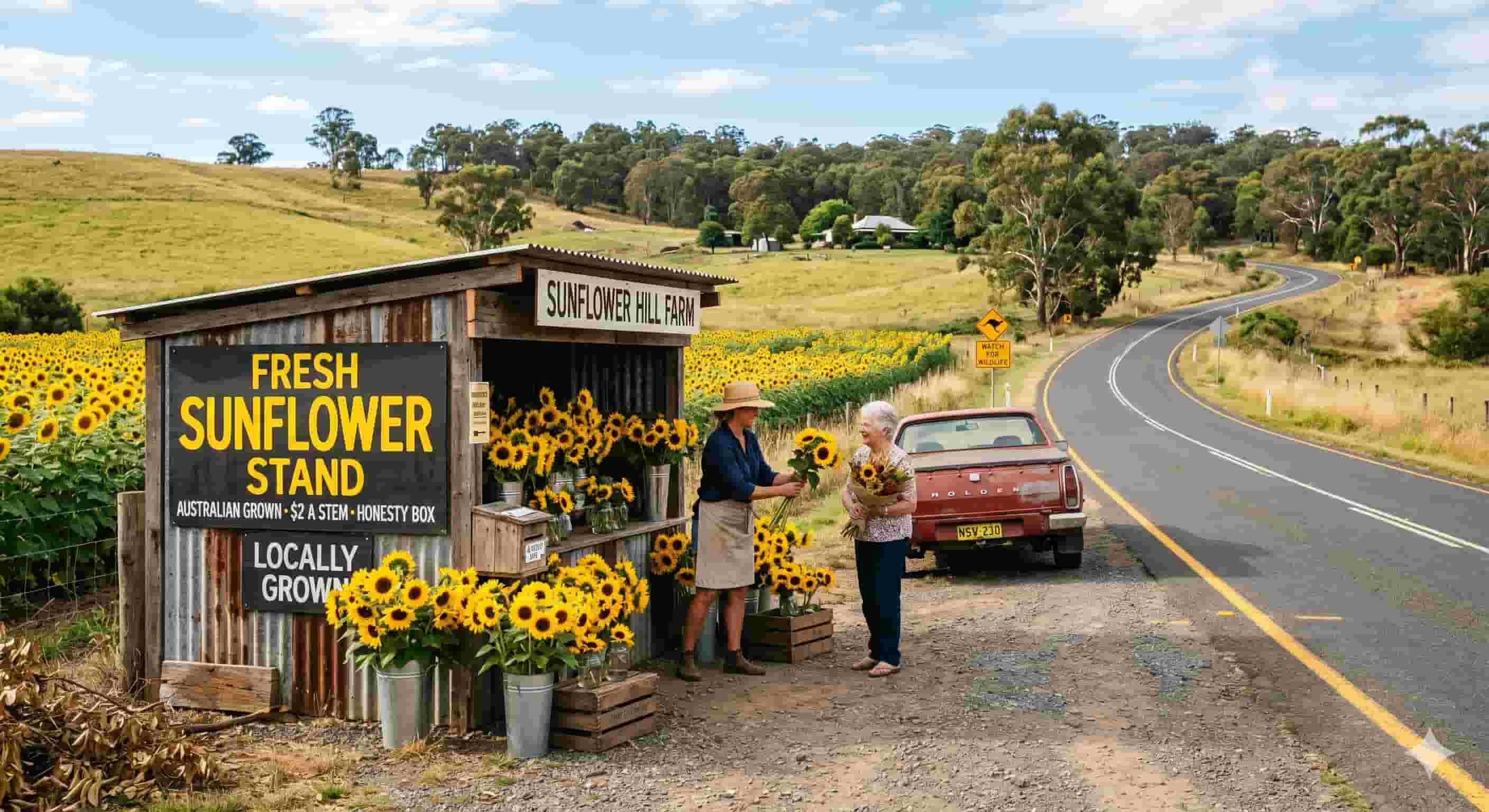
Character or Credit? Leadership in an age of self
Team Co.Design4All
In a culture that rewards self-promotion over self-mastery, what does it actually take to lead meaningful change? Drawing on the work of David Brooks, Angela Duckworth, Jonathan Haidt and Robert Greenleaf, this article explores why character is the foundation of effective leadership in healthcare and community change work, and why humility may be the most important capability that change leaders still need to develop.
Read More
Kombi, not Chaos: Why your team isn’t doing what you asked — and what to do about it
Team Co.Design4All
Why aren’t your team following the procedure you agreed on? The COM-B model — Capability, Opportunity, Motivation — offers a practical diagnostic framework for healthcare and organisational leaders. Pair it with co-design and you have both the diagnosis and the method to fix it.
Read More
Ask, Don’t Tell: The quiet discipline of listening to learn
Team Co.Design4All
In change work, the people who listen hardest tend to get the furthest. Drawing on Schein’s humble inquiry and Scharmer’s four levels of listening, this article explores why asking — not telling — is the foundational discipline of genuine co-design, and how to practise it in healthcare and community settings.
Read More
Head, Heart, Hip Pocket: How to Pitch Change so it Actually Lands
Team Co.Design4All
A great idea is not enough. Winning funding, permission and momentum requires a pitch that speaks to the rational, emotional and financial realities of your audience — all three, in the right order. The Head, Heart, Hip Pocket framework is a battle-tested structure for change-makers in healthcare and beyond, grounded in decades of co-design practice and the best of behavioural science.
Read More
When Co-Design Becomes a PR Exercise: Learning from Australia’s Live Export Debacle
Team Co.Design4All
Co-Design vs Performative Consultation Co-design has become the darling of public policy. Governments and organisations everywhere trumpet their commitment to collaborative decision-making, promising to work alongside affected communities to shape policies that impact them. But what happens when co-design is deployed not as a genuine collaborative process, but as window dressing for decisions already made? …
Read More
The Vanishing Village: What we lost when we stopped joining things — and why co-design may be how we get it back
Team Co.Design4All
Social capital has been quietly collapsing across Australia for fifty years. Volunteering is at an all-time low, loneliness now carries health risks equivalent to smoking fifteen cigarettes a day, and trust in government continues to fall. Drawing on research from Robert Putnam, Andrew Leigh, Hugh Mackay, and Julianne Holt-Lunstad, this article examines what we have lost, why it matters for the health and wellbeing of Australian communities, and why genuine co-design may be the most practical path toward rebuilding the social fabric we have allowed to unravel.
Read More
Gender Equity, Kindness, and the Screen Between Us
Team Co.Design4All
Half a century of equity reform has produced real gains — and real resistance. From the gender pay gap to the rise of the manosphere, this article examines where Australia stands on gender equality, what the evidence tells us about coercive control and online radicalisation, and why structured co-design at community level may be one of our most practical tools for rebuilding common ground.
Read More